←Back to Movies
Movies from Studio Srikrung Sound on Film
ภาพยนตร์เสียงศรีกรุง
About Studio
English Name:Srikrung Sound on Film
No description available.
Found 25 movies total
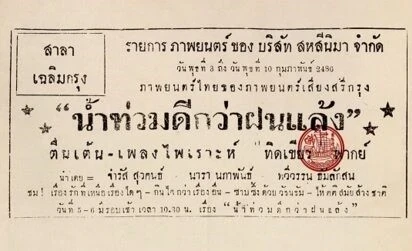
Better Floods Than Drought
น้ำท่วมดีกว่าฝนแล้ง
1942
เพียบพร้อมไปด้วยวัธนธัม ให้คติ สมัยสร้างชาติ รัก ตลก ขบขัน เพลงไพเราะห์ สนองนโยบายผู้นำ ปลอบใจน้ำท่วมดีกว่า พระเอกเป็นกรรมกรเรือจ้าง (ที่มา: หนังสือพิมพ์รายวัน ศรีกรุง พ.ศ. 2485)
.
ภาพยนตร์เรื่องนี้เป็นภาพยนตร์ที่สร้างขึ้นเพื่อปลอบใจประชาชน จากเหตุการณ์น้ำท่วมใหญ่ เมื่อปี พ.ศ. 2485 ตามนโยบายของท่านผู้นำ จอมพล ป. พิบูลย์สงคราม
.
ภาพยนตร์เรื่องนี้ถ่ายทำช่วงน้ำท่วมพระนคร ในเดือนตุลาคม พ.ศ. 2485
.
ภาพยนตร์เรื่องนี้เป็นภาพยนตร์เรื่องสุดท้ายของศรีกรุงในยุคแรก ในชื่อบริษัทภาพยนตร์เสียงศรีกรุง
วันที่เข้าฉาย : ?? ธันวาคม 2485 ฉายที่ศาลาเฉลิมกรุง
ระบบถ่ายทำ : ภาพยนตร์ขาวดำ เสียงในฟิล์ม 35 มม.
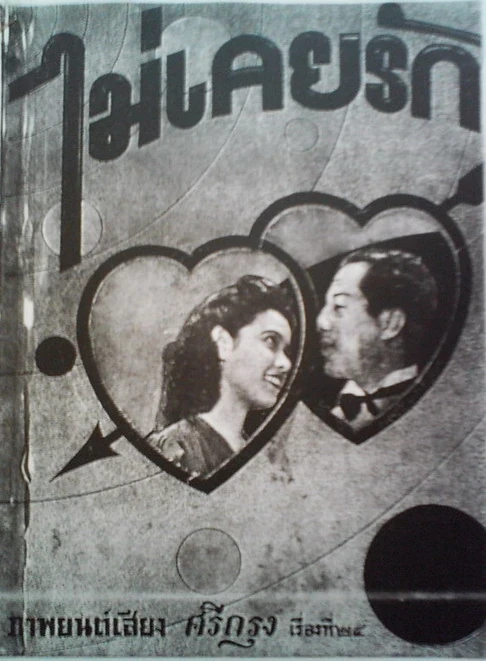
Bachelor in Love
ไม่เคยรัก
1940
Release Date:May 31, 1940
โรจน์ สืบทอดกิจการร้านนิยมไทยจำหน่ายสินค้าไทยต่อจากบิดา เขาคร่ำเคร่งกับการทำงานจนไม่สนใจเรื่องอื่นรวมทั้งเรื่องความรัก จนกระทั่งเช้าวันหนึ่ง ขณะที่โรจน์ขับรถไปทำงาน บังเอิญขับรถชนรถสามล้อ ซึ่งมีสาวงามชื่อ วนิดา โดยสารอยู่ โรจน์หลงรักวนิดาตั้งแต่แรกเห็นและตามไปส่งที่บ้าน จึงได้รู้ว่าวนิดาเป็นหลานสาวของ พระพฤกษาพิทักษ์ ซึ่งหลงใหลในกล้วยไม้ ขากลับโรจน์พบ สนิท ซึ่งมาติดพันวนิดา และเป็นผู้ที่ มาลี แม่ของวนิดาหมายมั่นจะให้แต่งงานกับลูกสาว สนิทมีนิสัยเจ้าชู้ ทำให้วนิดาใจโอนเอียงไปทางโรจน์ แต่แล้ววันหนึ่ง โรจน์ขึ้นไปรับ ผ่องพรรณ น้องสาวซึ่งป่วยหนักมารักษาที่กรุงเทพ กาจ นักหนังสือพิมพ์ซึ่งมีความแค้นโรจน์ในเรื่องส่วนตัว บังเอิญเห็นจึงนำไปเขียนข่าวกล่าวหาว่าโรจน์ล่อลวงสาวบ้านนอกมากรุงเทพ ทำให้วนิดาเข้าใจผิด โรจน์โกรธมากจึงฟ้องร้องหนังสือพิมพ์ฉบับนั้น ศาลพิจารณาตัดสินให้หนังสือพิมพ์ฉบับนั้นแก้ข่าว วนิดากับโรจน์จึงเข้าใจกันในที่สุด
วันที่เข้าฉาย : 31 พฤษภาคม 2483 ฉายที่ศาลาเฉลิมกรุง
ระบบถ่ายทำ : ภาพยนตร์ขาวดำ เสียงในฟิล์ม 35 มม.
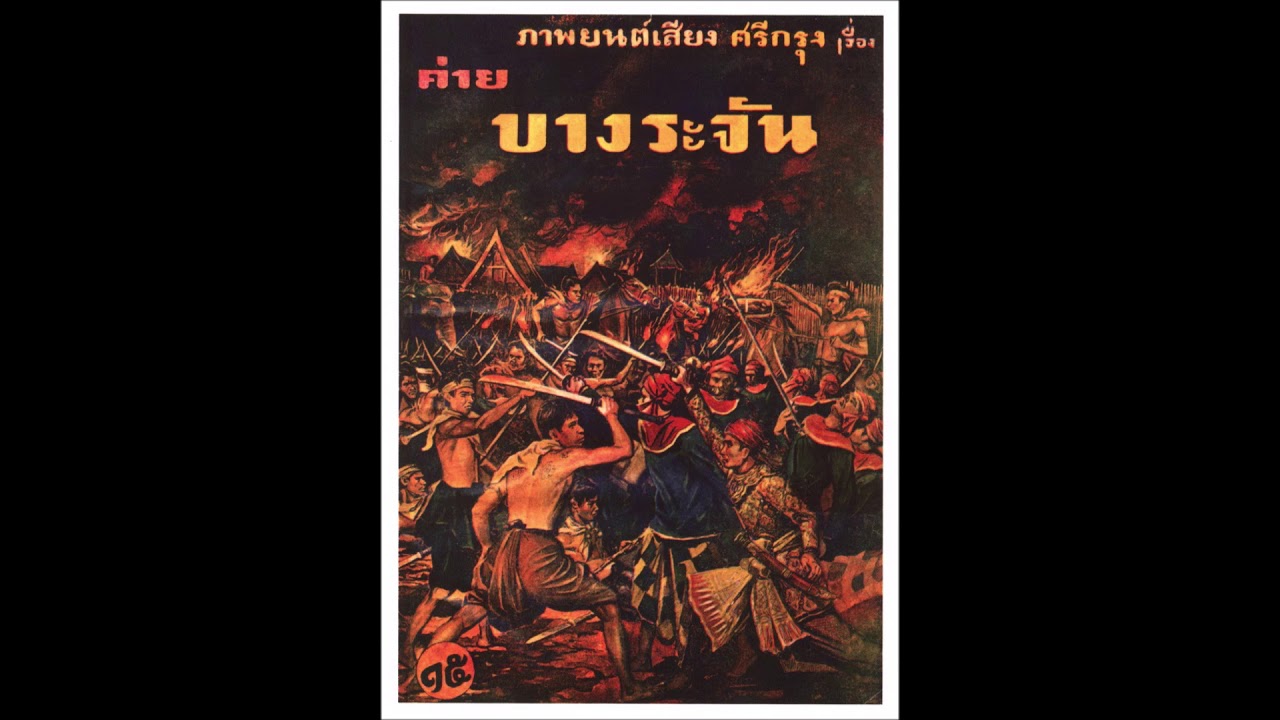
Bang Rajan
ค่ายบางระจัน
1939
Release Date:July 1, 1939
In 1765, Burmese forces invaded Siam, attacking many villages. Two young men from Wiset Chai Chan, Phon and Saen, rode on horseback to warn the village headman of Si Bua Thong about a plot by Thit Dok of Ban Klap and Thongkaew of Ban Pho Thale, who had allied themselves with the Burmese in order to loot property. Although the plan was successfully foiled, the headman of Si Bua Thong was killed in the conflict, leaving the villagers in deep grief.
With their leader gone, Than—skilled in warfare—proposed that they join forces with the Bang Rachan camp. The villagers of Si Bua Thong then appointed him as their commander.
At that time, the formidable Burmese general Ne Myo Thihapate repeatedly attacked Bang Rachan but failed to defeat it. Growing anxious that the villagers might gather even more strength, he assigned Sukki, a Burmese officer who had lived in Siam for many years, to lead a new assault.
Than was still seriously wounded from a previous battle. Nai Chan (known as “Nuad Khiao”), Khun San, Phan Rueang, and others agreed to send Phon on horseback to Ayutthaya to request cannons. However, high-ranking officials refused to help. Only Phraya Rattana sympathized with the Bang Rachan villagers and followed Phon back to assist in casting cannons, but their efforts were unsuccessful.
Sukki then launched a full-scale attack on Bang Rachan and managed to break through the camp gates. The villagers—both men and women—fought bravely together, but in the end, they were overwhelmed and defeated by the Burmese forces.
Release date: July 1, 1939
Screened at: Sala Chalerm Krung Theatre
Re-run: July 28, 1950 at Sala Chalermburi Theatre
Format: Black-and-white 35 mm film with synchronized sound
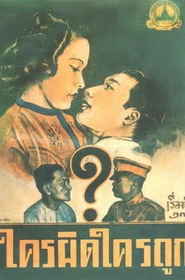
Who Is Right, Who Is Wrong
ใครผิดใครถูก
1939
Release Date:November 30, 1939
At Trok Saphan Yao in Bang Rak, two feuding neighbors—Mr. Mang Mangkorn and Police Lance Corporal Jun Chaoprong—live side by side. They are constantly at odds: Jun enjoys singing and performing, which greatly annoys Mang, who is already stressed over his debts. As a result, they frequently quarrel. Yet, as if fate is playing a trick on them, their children end up falling in love.
While Mang is desperately trying to find a way to repay his creditor, Tao Kae Ngieb, a lawyer named Khlong comes to see him with unexpected news: Mang has inherited 20,000 baht from Mrs. Sombun Phokasap (also known as Mrs. Maen Mangkorn), his grandmother. At the same time, Tao Kae Ngieb arrives at Mang’s house to demand repayment of both principal and interest. Upon hearing from Khlong that Mang has just come into wealth, greed overtakes him, and he hires a man named Laem to rob Mang’s house that very night.
Jiad, the son of Police Lance Corporal Jun—who is in love with Bunmee, Mang’s daughter—happens to overhear the robbery plan. He rushes to warn Mang but is driven away before he can explain. Jiad then begs his father to help arrest Laem. Unable to resist his son’s persistence, Jun agrees. That night, as planned, Laem breaks into Mang’s house. Jun and Jiad lie in wait, and once Laem enters, they successfully capture him.
At that very moment, Khlong arrives in a panic to inform Mang that there has been a mistake—the inheritance actually belongs to Jun. Despite this, Jun, who never truly bore any hatred toward Mang, generously shares half of the inheritance with him. Deeply moved by Jun’s kindness, Mang realizes his past resentment was misplaced. From then on, the two families reconcile and live in harmony.
Release date: November 30, 1939
Screened at: Sala Chalermkrung
Format: Black-and-white film with sound on 35 mm film
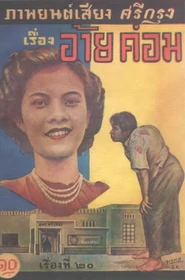
Ai Gom
อ้ายค่อม
1938
Release Date:August 8, 1938
Kom lives with his mother, Kham. When he was a child, his drunken father accidentally caused a house fire and died in the flames. Kham managed to save Kom by jumping out of a window with him, but the incident left Kom with a hunched back disability. As his mother grows increasingly ill, Kom must go out to find work to support them.
One day, Kom encounters the Sri Mueang theater troupe performing in town and meets Yen, the troupe owner’s daughter. Unlike others, she shows him kindness and even gives him a doll. Determined to earn a living, Kom asks for a job with Naem, a member of the troupe. Seeing Kom’s physical condition, Naem feels sympathy and gives him a small role scattering leaves as part of the stage effects.
In his spare time, Kom secretly plays the piano, performing a lullaby his mother used to sing to him. One day, Wit, the stage director, overhears him and turns the melody into a song for a new play. Meanwhile, a rival troupe, Banterng Thai, plots to sabotage Sri Mueang’s success by kidnapping Yen, their leading actress.
While transporting stage equipment, Kom happens to witness the abduction and bravely rescues Yen. Grateful, she invites him to dinner at her home. That night, Kom dresses carefully and arrives, but upon hearing Yen and Wit happily singing together, he feels unworthy and quietly leaves.
Returning home, he finds his mother gravely ill. He stays by her side all night, but her condition worsens. The next day, Kom goes to the theater troupe to request leave, but before he can speak, Naem orders him to continue working. Distraught and worried about his mother, Kom becomes lost in thought and accidentally falls from the stage scaffolding.
Before he dies, Kom makes one final request to Yen—to sing for his departing soul with her beautiful voice.
Release date: November 8, 1938
Screened at: Sala Chalerm Krung Theatre
Re-run: July 4, 1952 at Sala Chalermburi Theatre
Format: Black-and-white 35 mm film with synchronized sound

Love in the Navy
หวานใจนายเรือ
1938
Release Date:May 17, 1938
Lieutenant Kasem Yutthanawin of the Royal Thai Navy and Sub-Lieutenant Chalat Channawi are sent to temporarily train in artillery shooting at the Sattahip training station. One day, while walking along the beach, they hear a young woman singing. Following the sound, they discover a group of thugs attempting to abduct her. The two officers intervene to help but are injured in the process.
An elderly man comes to their aid and takes Kasem to his home to treat his wounds. There, Kasem learns that the young woman is named Ploenjai, who lives with her father, Phon. The attackers were henchmen of Thong-on, a man seeking a pirate treasure map in Phon’s possession, and who frequently harasses the father and daughter.
Captivated by Ploenjai’s beautiful voice, Kasem suggests that she go to Bangkok to study singing, both to pursue her talent and to escape Thong-on’s threats. He arranges for her to stay at the home of his father, Phraya Phatsadunawa-kan. Upon hearing this name, Phon is visibly startled but still allows his daughter to go, reminding her to remain obedient. Kasem, meanwhile, continues his duties in Sattahip.
In Bangkok, Ploenjai excels in her training and earns the nickname “the golden-voiced singer.” She becomes admired by many, including Prakop, the adopted son of Phraya Phatsadu. When Kasem later returns to serve in Bangkok, he grows closer to Ploenjai, stirring jealousy in his fiancée, Phitsamai.
Meanwhile, Thong-on conspires with a Chinese merchant, Liang Hong, owner of a fishing vessel, to search for the hidden pirate treasure. Fearing they may discover its location, Phon confides in his brother-in-law Thong-to, revealing that after his wife’s death, he entrusted his son Prakop to Phraya Phatsadu’s care. He also reveals that the treasure map has been secretly hidden in a porcelain cabinet room at Phraya Phatsadu’s house.
Thong-to travels to Bangkok and stays at the house, attempting to steal the map, but is caught by Prakop. Forced to tell the truth, he reveals the family connection between Prakop and Ploenjai before hastily returning to Sattahip.
At the same time, Phitsamai urges her mother, Khunying Jam, to push forward her marriage to Kasem. Phraya Phatsadu reluctantly agrees. One day, Ploenjai overhears the two women insulting and belittling her, leaving her deeply hurt. She decides to return to her father in Sattahip.
Soon after, Phon, Ploenjai, and Thong-to set out to find the hidden treasure. They eventually discover a chest filled with jewels and gold. However, Thong-on, who has been secretly following them, seizes the treasure.
Kasem, Chalat, and Prakop, along with authorities, pursue Thong-on and his men. A confrontation ensues, and in the end, Thong-on and his gang are successfully captured.
Release date: May 17, 1938
Screened at: Sala Chalerm Krung Theatre
Format: Black-and-white 35 mm film with synchronized sound
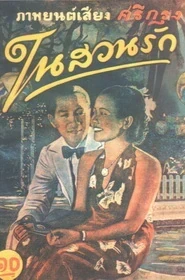
Garden of Love
ในสวนรัก
1938
Release Date:February 12, 1938
ชื่น ลูกชายคนเดียวของ นายเชยเศรษฐีเจ้าของทุ่งสาลีแห่งนครชัยศรี กำลังจะไปเรียนต่อที่กรุงเทพ ก่อนเดินทางชื่นมาบอกลา พิม คนรักซึ่งเป็นเพื่อนตั้งแต่เด็ก แต่เมื่อมาถึงกรุงเทพแทนที่ชื่นจะตั้งใจศึกษาร่ำเรียน กลับเอาเงินที่นายเชยส่งเสียไปปรนเปรอวิลัย ผู้หญิงหากิน หลงลืมพิมเสียสิ้น
อีกฟากหนึ่ง พระยาวินิจวิจารณา ข้าราชการเบี้ยบำนาญเดินทางมานครชัยศรีเพื่อขายที่ให้แก่นายเชยได้พบพิมที่อาสาพายเรือไปส่งที่บ้านนายเชย ระหว่างทางได้พูดจากันจึงรู้ว่าพิมคือลูกสาวของ พร น้องสาวของตน พระยาวินิจฯ จึงขออุปการะพิมให้ไปอยู่ที่กรุงเทพ แล้วล้มเลิกความคิดที่จะขายที่ให้นายเชย
เมื่อมาอยู่กรุงเทพได้สักพัก พิมก็ต้องประหลาดใจมาก เพราะตกกลางคืนพระยาวินิจฯ มักจะไม่อยู่บ้าน จึงชวน ต่อม คนใช้แอบสะกดรอยตามพระยาวินิจฯ จนมาถึงภัตตาคารที่ซึ่งวิลัยทำงานอยู่ แทนที่จะได้พบพระยาวินิจฯ พิมกลับได้พบชื่นกำลังครวญเพลงอยู่แทน ต่อมช่วยพาชื่นให้มาพบกับพิม เมื่อชื่นเห็นพิมอยู่ในสถานที่แบบนี้ก็เข้าใจผิด ด่าทอพิมเสียๆ หายๆ พิมเสียใจเป็นอันมาก จึงเขียนจดหมายถึงนายเชยเล่าสิ่งที่ตนพบ เพื่อให้นายเชยเรียกตัวชื่นกลับนครชัยศรี เมื่อนายเชยได้ทราบข่าวจึงหยุดส่งเงินให้ชื่นทันที เมื่อวิลัยรู้ว่าชื่นไม่มีเงินก็ตีจากไป ชื่นสำนึกในความผิดจึงกลับไปขอคืนดีกับพิม
วันที่เข้าฉาย : 12 กุมภาพันธ์ 2481 ฉายที่ศาลาเฉลิมกรุง
ฉายซ้ำ : ?? กรกฎาคม 2494 ฉายที่ศาลาเฉลิมกรุง
ระบบถ่ายทำ : ภาพยนตร์ขาวดำ เสียงในฟิล์ม 35 มม.
.
หมายเหตุ :
ข้อมูลปี พ.ศ. ของภาพยนตร์ที่ออกฉาย คือก่อนการเปลี่ยนแปลงวันขึ้นปีใหม่ เมื่อ 1 มกราคม 2484 จะนับตามปฏิทินแบบเก่า (1 เมษายน เป็นวันขึ้นปีใหม่)
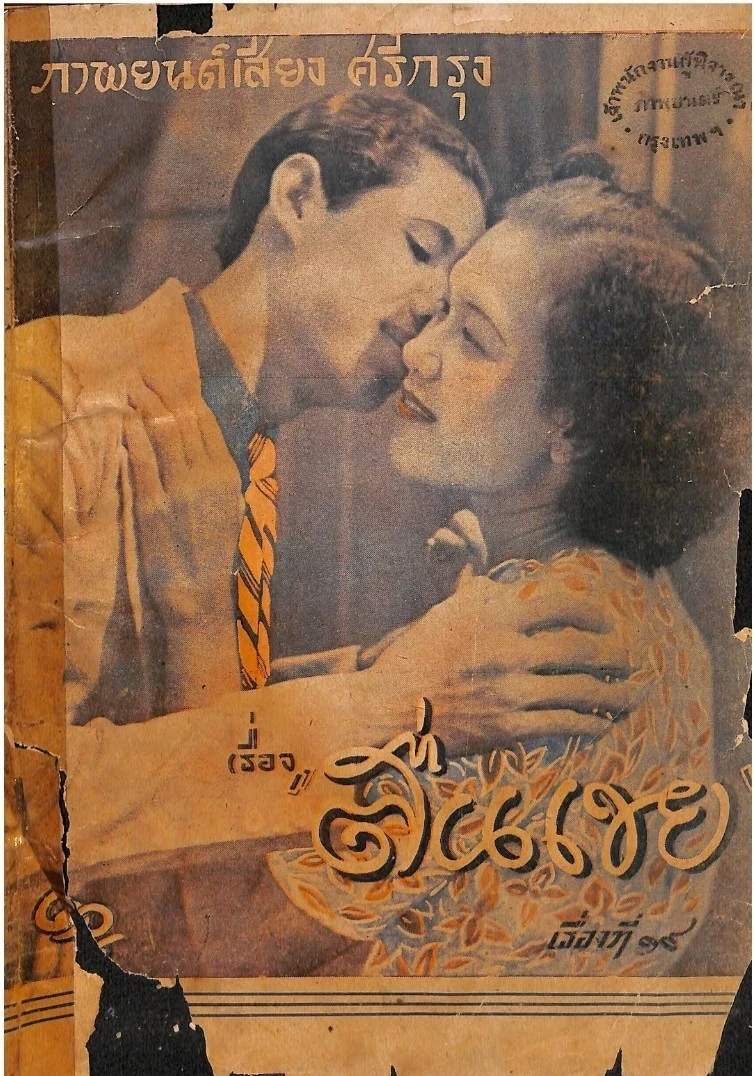
Tit for Tat
ตื่นเขย
1938
Release Date:September 6, 1938
อำนวย คล่องเชิงค้า เป็นพนักงานอุตสาหกรรมน้ำตาลไทยมีภรรยาชื่อ ลัดดา วันหนึ่งเขาได้รับมอบหมายให้ไปเจรจาการค้ากับ พระทวีผลกสิกรรม ผู้เป็นเอเย่นต์ขายน้ำตาลที่โคราช แต่ดันไปตกหลุมรัก ลออ ลูกสาวของพระทวีผลฯ ถึงขั้นอยากจะแต่งงาน ระหว่างที่ยังเจรจางานอยู่ที่โคราช เจ้านายได้ส่งโทรเลขให้อำนวยไปเจรจาการค้ากับ พระยาพิชัยพานิชย์ที่อุบล อำนวยก็ไปตกหลุมรัก บุญเกื้อ บุตรีพระยาพิชัยฯ อีก ด้านพระทวีผลฯ กับภรรยายังไม่ค่อยเชื่อถือในตัวอำนวยนัก ด้วยข้อที่ว่าอำนวยนั้นโอ้อวดว่ามีบ้านช่องใหญ่โต จึงพากันมาพิสูจน์ที่กรุงเทพ อำนวยร้อนใจกลัวความแตก จึงไปขอยืมบ้าน สันต์ เกลอเก่าตบตาพระทวีผลฯ ชั่วคราว หารู้ไม่ว่าสันต์เป็นหลานชายของพระทวีผลฯ
ขณะเดียวกัน ครอบครัวของพระยาพิชัยฯ ก็กำลังเดินทางมาดูบ้านของว่าที่ลูกเขยด้วยความตื่นเต้นพระยาพิชัยฯ ได้พบกับพระทวีผลฯ ที่บ้านซึ่งอำนวยหลอกว่าเป็นของตน เมื่อได้พูดคุยกันจึงได้รู้ว่าพระทวีผลฯหมายมั่นให้ลออได้แต่งงานกับอำนวย พระยาพิชัยฯจึงเป็นฝ่ายลากลับ จีบ สาวใช้ของสันต์สุดจะทนกับพฤติกรรมเจ้าชู้ของอำนวยจึงไปฟ้องลัดดา ลัดดาจึงแกล้งมาสมัครงานเป็นคนใช้ของพระทวีผลฯ นับวันก็ยิ่งใกล้ถึงวันแต่งงานของลออกับอำนวย ลัดดาเจ็บใจสามีจึงจ้างวาน ปริก ให้มาประกาศความเป็นภรรยากลางงานอำนวยปฏิเสธพัลวัน แต่สุดท้ายก็จำนนด้วยหลักฐาน เมื่อลัดดาประกาศตัวว่าเป็นเมียของอำนวยตัวจริง พระทวีผลฯ จึงอดได้ลูกเขย
วันที่เข้าฉาย : 6 กันยายน 2481 ฉายที่ศาลาเฉลิมกรุง
ระบบถ่ายทำ : ภาพยนตร์ขาวดำ เสียงในฟิล์ม 35 มม.

Peekaboo
จ๊ะเอ๋
1938
Release Date:September 6, 1938
จ๊ะเอ๋ เป็นภาพยนตร์ขาวดำเสียงในฟิล์ม 35 มม. เป็นภาพยนตร์สั้นจำนวน 2 ม้วน ที่ฉายก่อนการฉายภาพยนตร์เรื่อง ตื่นเขย (2481) ซึ่งสมัยนั้นจะเรียกว่า "หนังประกอบ" (Supporter) และเป็นภาพยนตร์ไทยเรื่องแรกที่ใช้สุนัขไทยเข้ามาแสดงด้วย โดยการนำสัตว์มาร่วมแสดงในภาพยนตร์นั้น ต่างก็เป็นที่รู้กันว่า เป็นเรื่องยากลำบากในการถ่ายทำ แต่สุนัขไทยชื่อ อ้ายจุ่น ซึ่งได้รับการฝึกสอนจากเจ้าของมาเป็นเวลาหลายปีนั้น เป็นสุนัขที่ฉลาด แสนรู้ อ่อนโยนและสุภาพและไม่เคยทำผิดเลย
.
อ้ายจุ่นเป็นชื่อของสุนัขไทยที่นำแสดงในภาพยนตร์ตลกขาวดำ 35 มม. เสียงในฟิล์ม เรื่อง “จ๊ะเอ๋” เป็นหนังสั้นฉายประกอบโปรแกรมฉายภาพยนตร์ขนาดยาวเรื่อง “ตื่นเขย” ซึ่งทั้งสองเรื่องกำกับโดยหลวงอนุรักษ์รัถการ ผู้กำกับกับคนสำคัญของโรงถ่ายภาพยนต์เสียงศรีกรุง ออกฉายครั้งแรกที่ศาลาเฉลิมกรุง เมื่อวันที่ 6 กันยายน พ.ศ. 2481 นับเป็นหมาไทยตัวแรกที่ถูกฝึกให้แสดงภาพยนตร์ น่าเสียดายที่เราไม่พบฟิล์มภาพยนตร์เรื่องนี้หลงเหลืออยู่ มีแต่เพียงภาพจากหนังที่ปรากฏเป็นหลักฐานตีพิมพ์อยู่ใน สมุดภาพยนตร์ เรื่อง ตื่นเขย พิพิธภัณฑ์ภาพยนตร์ไทยจึงนำภาพหมาคาบกระเป๋านี้มาเป็นต้นแบบในการจัดทำหุ่นอ้ายจุ่นไว้คอยต้อนรับผู้มาเยี่ยมชม โดยยกให้เป็นสัตว์นำโชคหรือมาสคอตประจำพิพิธภัณฑ์
วันที่เข้าฉาย : 6 กันยายน 2481 ฉายที่ศาลาเฉลิมกรุง
ระบบถ่ายทำ : ภาพยนตร์ขาวดำ เสียงในฟิล์ม 35 มม.
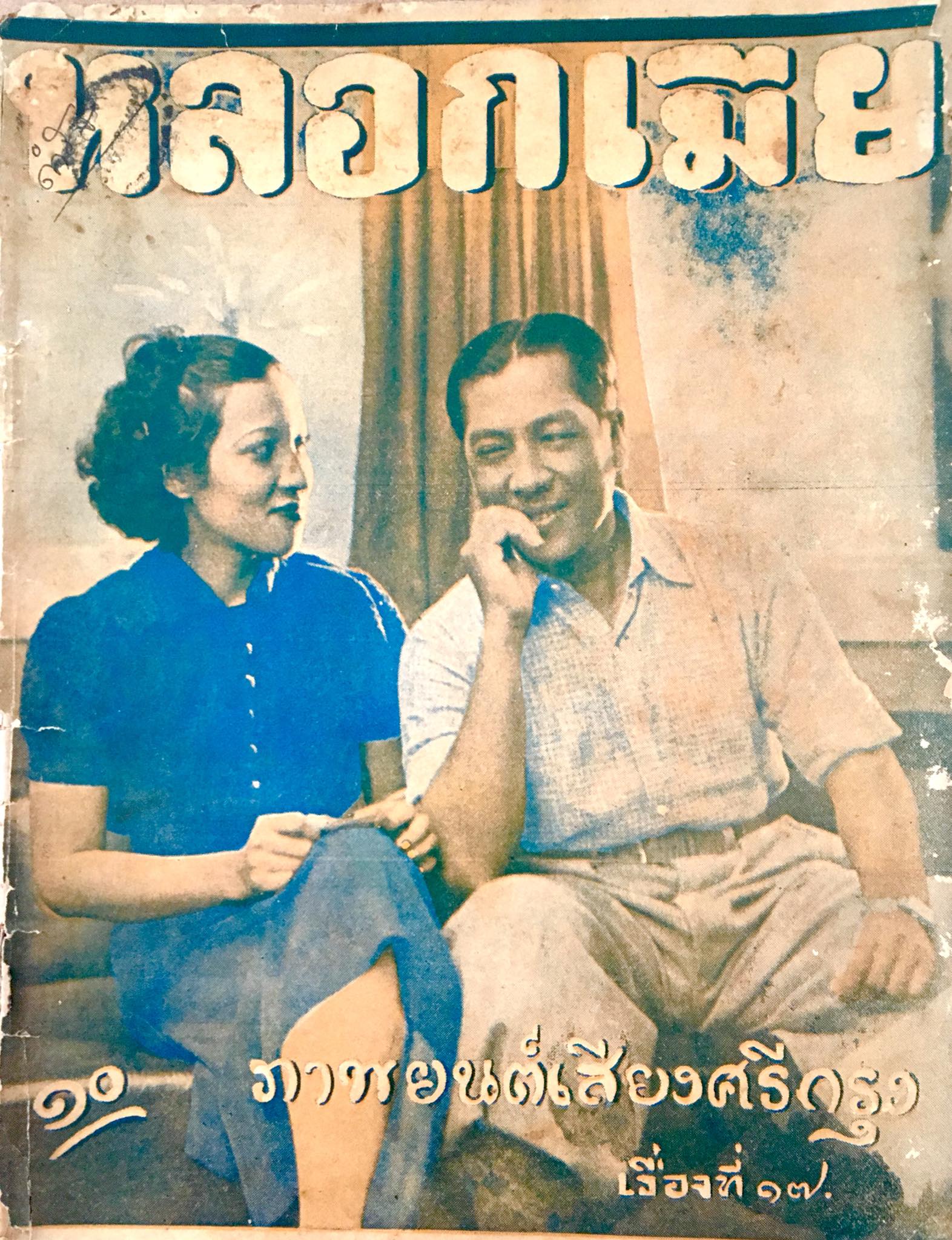
The Husband Misbehaves
หลอกเมีย
1937
Release Date:February 8, 1937
Chamrat and Lawan, a married couple, move into a new house and hire a servant named Khun Eu, formerly known as Nom. However, as soon as they settle in, Chamrat’s old “illness”—his fear of his wife—quickly returns. Even a small remark from Lawan, such as insisting her portrait be placed above others on the wall, is enough to unsettle him.
One afternoon, Nom brings Chamrat a newspaper featuring a photo of a young woman fishing and encourages him to go see her in person. Amused, Chamrat devises a plan to deceive Lawan, pretending he is overworked and suffering from a nervous condition. He claims a doctor has advised him to go fishing as therapy. Unaware of his scheme, Lawan agrees.
At the pond mentioned in the newspaper, Chamrat meets the girl he had hoped to find. He seizes the opportunity to introduce himself and receives her name card—her name is Kamon. In the following days, Chamrat repeatedly lies to Lawan so he can visit Kamon at her home. There, he meets her father, Kim Mong, a wealthy mill owner who once tried to insure his rice mill and secretly planned to burn it down to claim the insurance money.
Meanwhile, Lawan grows increasingly fed up with her husband’s flirtatious behavior. She even threatens to take him to a doctor for nerve surgery, but Chamrat remains undeterred. He later lies again, claiming he must travel to Chiang Mai for work, when in fact he goes to stay with his close friend Thong-on.
Taking advantage of his absence, Lawan visits Kim Mong’s house herself, declares that she is Chamrat’s wife, and warns Kamon to stay away from him. When Chamrat later tries to visit Kamon, he is chased away by Kim Mong for deceiving his daughter despite already being married.
Ashamed, Chamrat returns home, only to be interrogated by Lawan, who quickly discovers he never went to Chiang Mai. He ends up being beaten and bedridden, bringing his attempts to deceive his wife to a humiliating end.
Release date: February 8, 1937
Screened at: Sala Chalerm Krung Theatre
Format: Black-and-white 35 mm film with synchronized sound